EN
 it
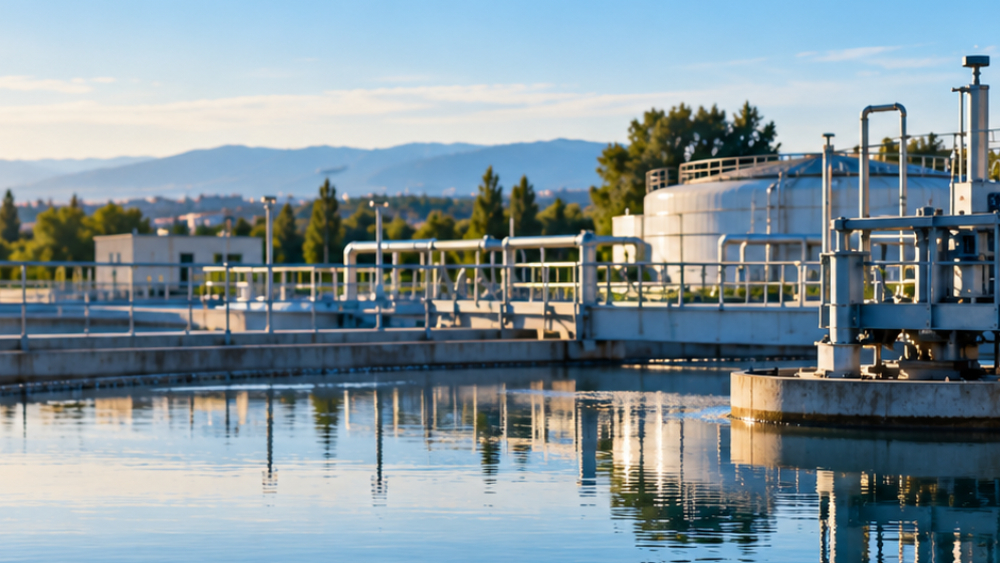
New European directives and the increasing variability of operating conditions call for a rethink of how the sewer network, the wastewater treatment plant and energy resources are managed as parts of a single integrated system. Process stability, effluent quality and energy consumption depend not only on adjustments within the plant itself, but also on incoming flows and loads, the network's storage capacity and the coordination between energy demand and production. The Trier case study shows how sensors, predictive models and decision support systems can put this coordinated approach into practice. The storage capacity available within the sewer network is used to regulate inflows to the treatment plant and reduce fluctuations in hydraulic flow and pollutant loads. At the same time, biological treatment parameters are adjusted according to measured and forecast conditions, while estimates of energy consumption and production help align plant operations with the availability of renewable energy sources, including biogas and solar photovoltaic energy. From this perspective, the wastewater treatment plant is no longer simply an energy consumer, but becomes an active part of an integrated system capable of balancing energy consumption and production, limiting peak power demand and reducing reliance on the external electricity grid. The Trier experience therefore provides a practical example of how coordinated management of the network, treatment processes and energy can improve efficiency and service resilience, contributing to the transition towards energy neutrality envisaged by the new European Urban Wastewater Treatment Directive. The workshop will take place at the Nuova Fiera del Levante in Bari. Visitor registration is required to attend the event.
10:30–11:00
Sala Goccia
Xylem Water Solution Italia S.r.l.
Programme Abstract
Attend Accadueo 2026