EN
EN  it
it
The state of water resources in Italy: what the ISPRA Report says and why Southern Italy is a key area
The new ISPRA Report on the state of water resources in Italy provides a valuable knowledge base for understanding the condition of the country’s water resources, the main critical issues affecting water bodies and the priorities requiring action.
The document does not present an exclusively emergency-driven picture. It shows where the system is working, where critical issues remain and which topics need to play a more prominent role in the dialogue between institutions, operators, companies, technical experts and the technology supply chain.
A focus on Southern Italy is necessary. The area presents specific characteristics, particularly with regard to groundwater, but it must be considered within the broader national context: a combination of territories with distinctive environmental conditions and water bodies subject to anthropogenic pressures of different types and intensities.
The state of water resources in Italy
The Report examines more than 7,700 surface water bodies, including rivers, lakes, coastal marine waters and transitional waters.
At national level, 43.6% achieve good or higher ecological status or potential. In terms of chemical status, just over 75% of surface water bodies achieve good status.
For groundwater, the national picture shows better results in quantitative terms: almost 80% of the 1,007 water bodies analysed are in good quantitative status. Good chemical status concerns 70% of groundwater bodies.
A further positive development is the significant reduction in the number of water bodies with unknown status compared with the previous management cycle under the Water Framework Directive.
This aspect may be less immediate to communicate, but it is central to the sector: better knowledge leads to better planning. The data are not merely environmental indicators, but tools for defining priorities, investments and management measures.
Southern Italy and the groundwater challenge
The analysis by river basin districts highlights significant territorial differences.
The Southern Apennines River Basin District records the highest percentage of groundwater bodies in poor quantitative status: 42%, compared with a national average of 19%.
This figure concerns one of the central issues in water management: the actual availability of the resource, not only its quality.
Protecting groundwater requires tools, technologies and management models capable of strengthening monitoring, planning, efficient use and aquifer protection.
The Report also highlights impacts related to pollution from nutrients and organic substances in the Southern Apennines River Basin District and in Sicily.
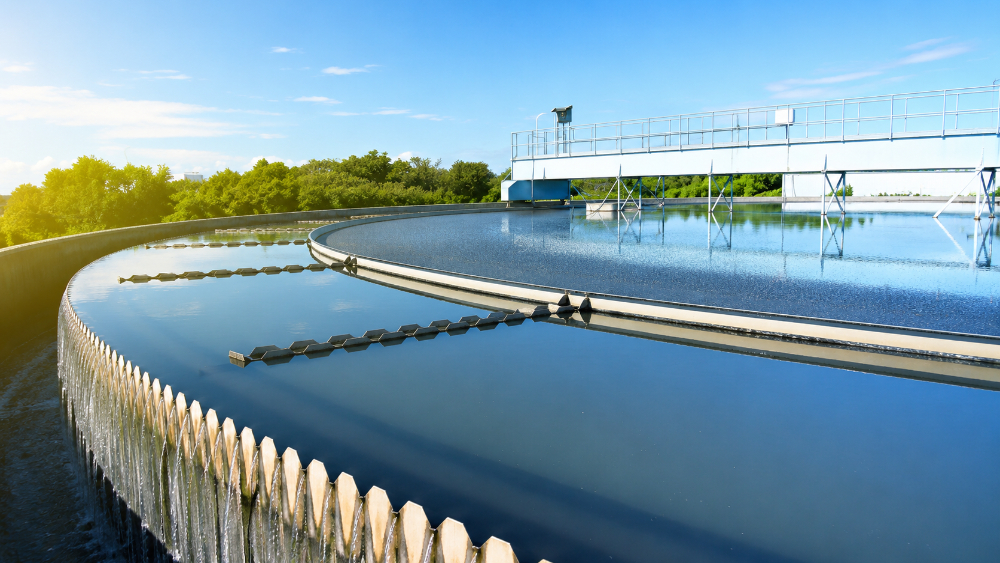
This aspect also points to the need for an integrated approach. Treatment, wastewater purification, discharge control, environmental monitoring and water quality are not separate areas, but components of the same system.
The main pressures on surface waters
The national picture confirms that the quality of water bodies depends on interconnected factors.
According to ISPRA, pollution from diffuse sources is the most significant pressure on surface waters, particularly as a result of agricultural activities.
This is followed by hydromorphological alterations, such as hydraulic defence works and road or railway crossings, point sources, particularly urban wastewater discharges, and water abstraction.
Water resource management must therefore operate on multiple levels: infrastructure, wastewater treatment, monitoring, pressure management, aquifer protection, governance and the ability to take action across different territories.
For Southern Italy, groundwater is a particularly significant issue. For the country as a whole, the priority is to integrate quality, availability, knowledge and pressure management.
From the ISPRA Report to industry dialogue: the role of Accadueo
The ISPRA Report confirms the need to start from a detailed understanding of the condition of water bodies and the pressures affecting them.
The next step is to turn data into concrete actions, strengthening monitoring capacity, aquifer protection, infrastructure efficiency and the sustainable management of water resources.
The dialogue on these priorities will continue at the nineteenth edition of Accadueo, scheduled for 26 and 27 November 2026 at the Nuova Fiera del Levante exhibition centre in Bari.
For more than 30 years, Accadueo has been Italy’s only international trade fair dedicated exclusively to the civil and industrial water sector: a key event for dialogue between institutions, associations and companies and for the systemic development of the industry.
The return to Bari strengthens the event’s presence in Central and Southern Italy and its dialogue with Mediterranean territories, where water resource management is becoming increasingly strategic.
The topics at the centre of the event include: water treatment, wastewater purification and treatment, analysis and control of emerging pollutants, water reuse, desalination, drainage and urban stormwater runoff management, digitalisation, the integration of AI, IoT and Big Data for network monitoring, smart metering, leakage monitoring and reduction, and updates on national and international regulations.
Sources
https://www.isprambiente.gov.it/it/news/lo-stato-delle-acque-in-italia